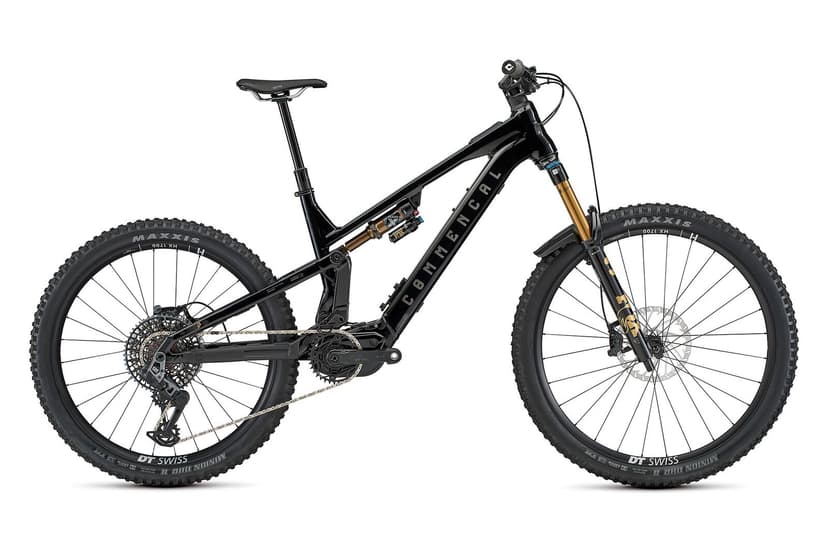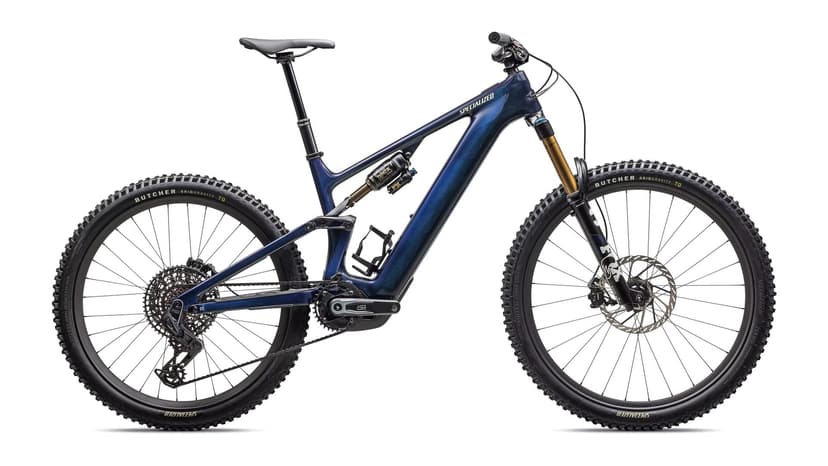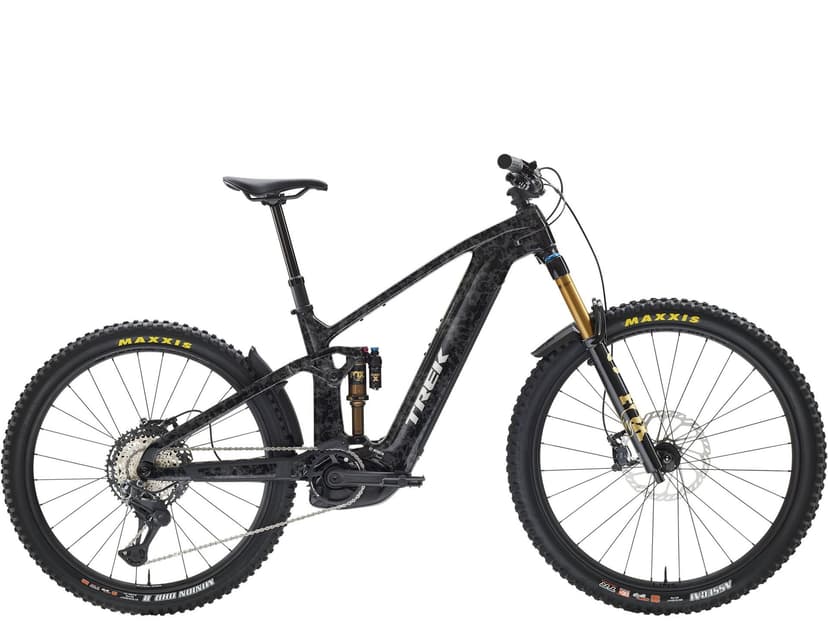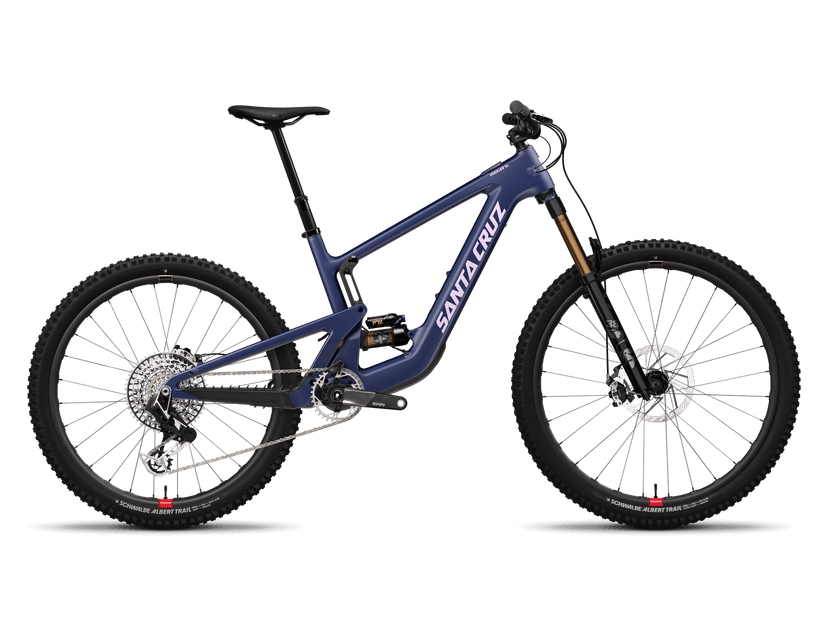
Every full-suspension eMTB has to solve the same problem: let the rear wheel move over roots and rocks while the rider pedals, brakes and leans on a bike that weighs 20 kg or more. The way the frame connects the rear wheel to the front triangle – the rear suspension design, or kinematics – decides how the bike reacts to pedalling, braking and big hits. Below we explain the main eMTB rear suspension designs in plain language, from the simple single pivot to Virtual Pivot Point (VPP), DW-link and high-pivot bikes.
Three terms you need first
- Axle path – the line the rear axle follows as the suspension compresses. A rearward path helps the wheel move away from square-edged hits.
- Anti-squat – how much the suspension resists sinking under pedalling forces. Around 100% means the bike neither squats nor rises when you push the pedals.
- Leverage ratio – how far the wheel moves for each millimetre of shock stroke. If it falls through the travel, the suspension is progressive and harder to bottom out.
On an eMTB the motor makes up for some pedalling losses, so many designers trade a little pedalling efficiency for traction and comfort. Braking and bottom-out control matter more, because there is more mass to slow down and catch on landings. Packaging also matters: the motor and the big battery occupy exactly the space where many linkages would like to put their pivots.
Single pivot
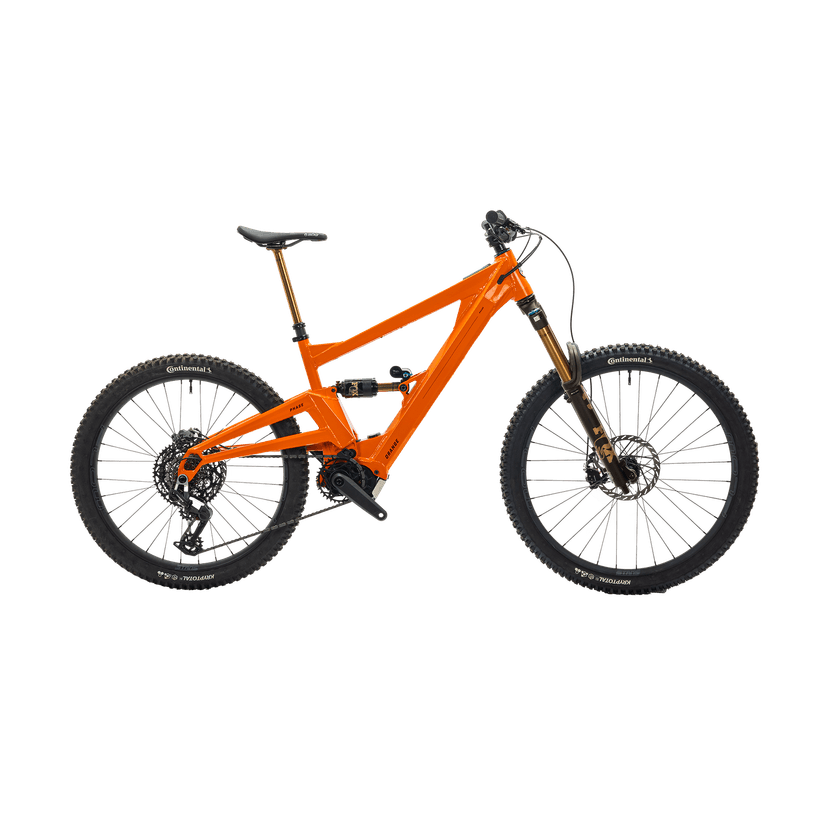
The rear wheel sits on one swingarm that rotates around a single pivot above the chainring. The axle follows a simple arc. Orange builds its Phase Avinox this way. It is simple, stiff and has very few bearings to service, but braking and pedalling forces act directly on the suspension and the leverage curve is fixed by where the shock sits.