The electronics supply crunch has reached the bike industry. Shimano has confirmed that deliveries of some Di2 and e-bike products are affected by a shortage of printed circuit boards (PCBs), the boards that carry the chips, resistors and connectors inside every electronic component.
On 13 November, Shimano told its OEM partners that lead times for the affected models had switched to "TBD". In a statement, the company said: "For affected models, we have temporarily suspended issuing new promised delivery dates." Shimano will set new dates once it has enough visibility, but it hasn't said when that will be, and it hasn't named the affected models. Mechanical groupsets aren't affected.
Why bikes are short of circuit boards
The shortage has nothing to do with demand for bikes. The Global Electronics Association, the industry body for electronics manufacturing, says demand for PCBs is outrunning supply at every stage, from glass fabric and resin to finished boards, and that AI data centres are absorbing the scarce capacity.
The numbers explain why. A typical circuit board has around 12 layers, while boards for AI servers are moving to 40 to 60 layers or more, and every extra layer needs more glass fabric, resin, copper foil and laminate. PCB bookings were up 56.1% in the year to September, while shipments grew only 13.3%. Lead times for high-layer boards have stretched to 16 to 20 weeks or more, and the big cloud companies are locking up supply. Automotive, industrial, medical and defence buyers are already being pushed down the queue.
The bike industry is a small customer in that market. A Di2 groupset needs several boards, and an eMTB drive system with its motor, battery management, display and remote needs far more.
PCB shortage at a glance
- Confirmed in cycling
- Shimano: some Di2 and e-bike products, delivery dates suspended
- Not affected
- Shimano mechanical groupsets
- Main cause
- AI data centre demand for high-layer boards and materials
- Booking vs shipment growth
- +56.1% vs +13.3% (year to September)
- Lead times, high-layer boards
- 16 to 20 weeks or more
- Expected relief
- Not before mid-2028, per the Global Electronics Association
Sources: Shimano statement, Global Electronics Association. November 2026.
What it means for eMTB riders
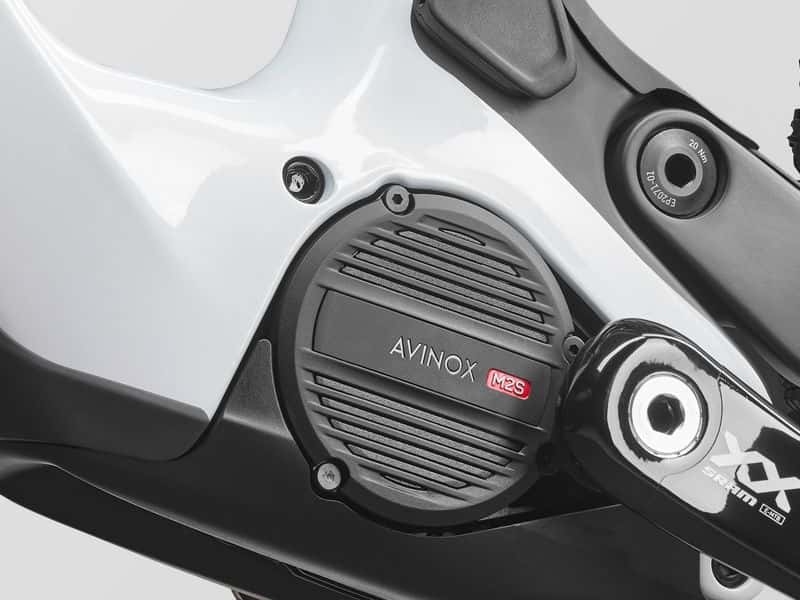
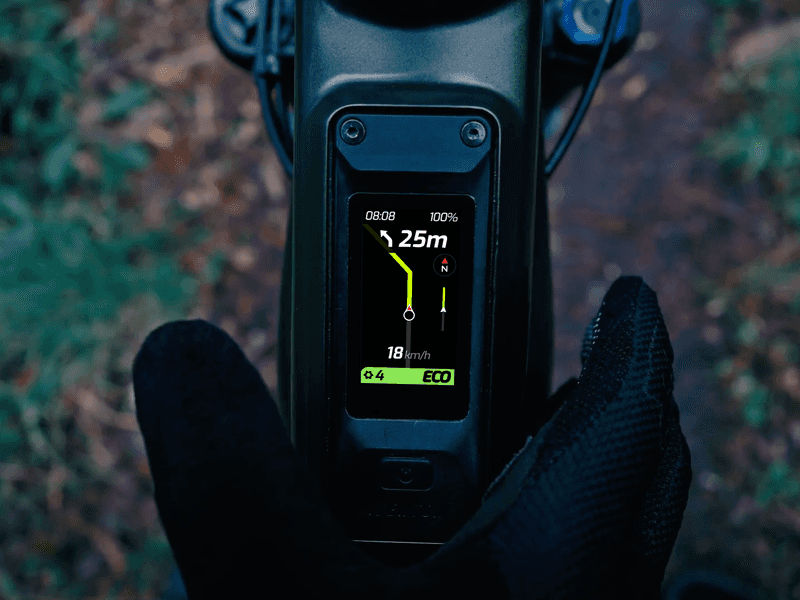
For now, Shimano is the only bike brand that has confirmed problems. It's hard to see it being the only one affected, though. Electronic shifting from SRAM, drive systems from Bosch, DJI Avinox and TQ, electronic suspension, power meters, displays and lights all run on circuit boards. None of these brands has commented publicly so far.
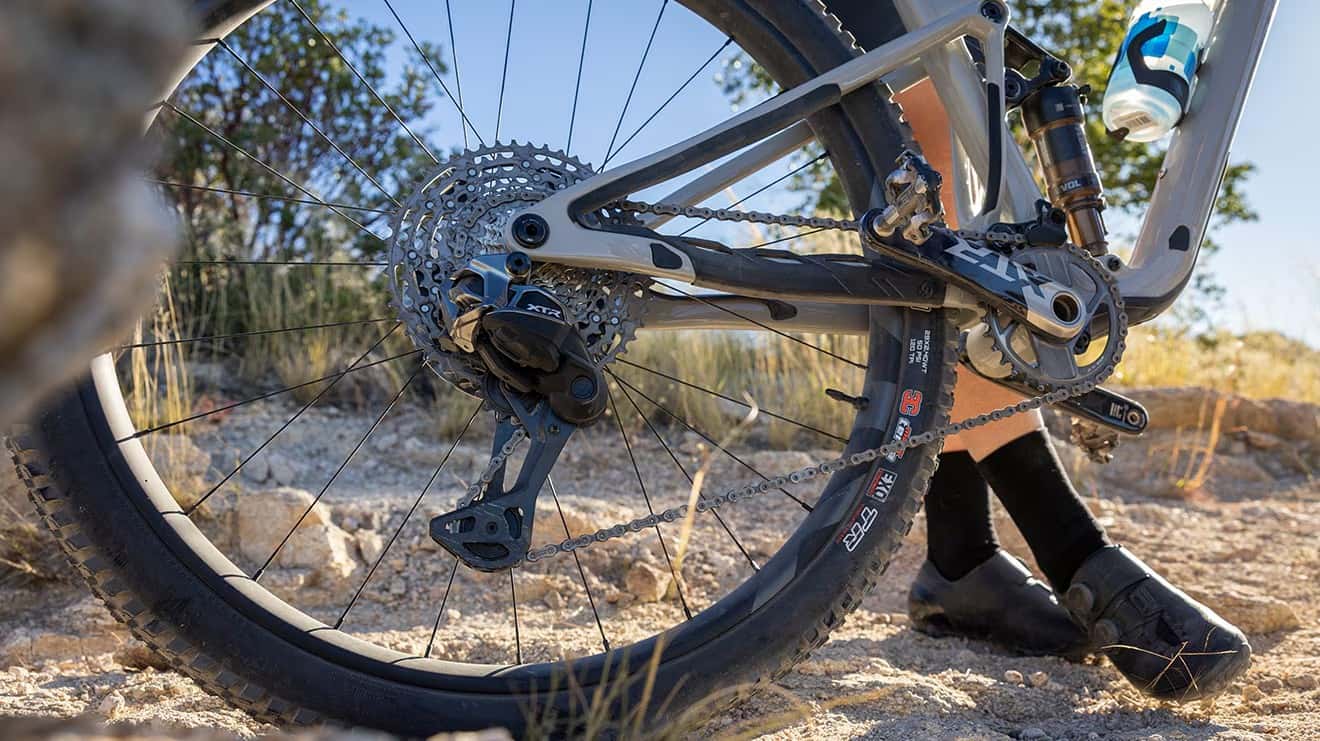
Shimano hasn't named the affected products, so it's unclear whether the new Shimano EP810 motor, launched in early November, is among them. Its "TBD" message covers both Di2 and e-bike products, and Di2 now spans almost every Shimano electronic groupset.
The practical effects are likely to show up in three places: new 2027 bikes arriving later or with substituted parts, longer waits for spare motors and electronic components, and slower warranty repairs. If your eMTB uses a Shimano system and you need a spare part, it's worth ordering early rather than when it fails.
The outlook isn't quick either. The Global Electronics Association expects standard materials to stay tight through at least the first half of 2027, with meaningful relief unlikely before mid-2028. Glass fabric, one of the key materials, comes from only a handful of producers.
Our take
This is a reminder of how much a modern eMTB depends on electronics the bike industry doesn't control. After the pandemic shortages and this year's supplier troubles, including Fazua's move to a service partner, bike brands are again competing for parts with far bigger buyers. Mechanical drivetrains suddenly look like the safer bet for anyone who wants a bike, or a spare part, on time. If you're weighing up an electronic groupset, our SRAM Transmission vs Shimano Di2 comparison covers the options. We'll update this story as other brands respond.

32 years of riding experience, from a school bike to today's high-tech e-MTBs. My goal is to build the most complete and accessible e-MTB catalog to make choosing easier, and to bring our readers the latest news.